
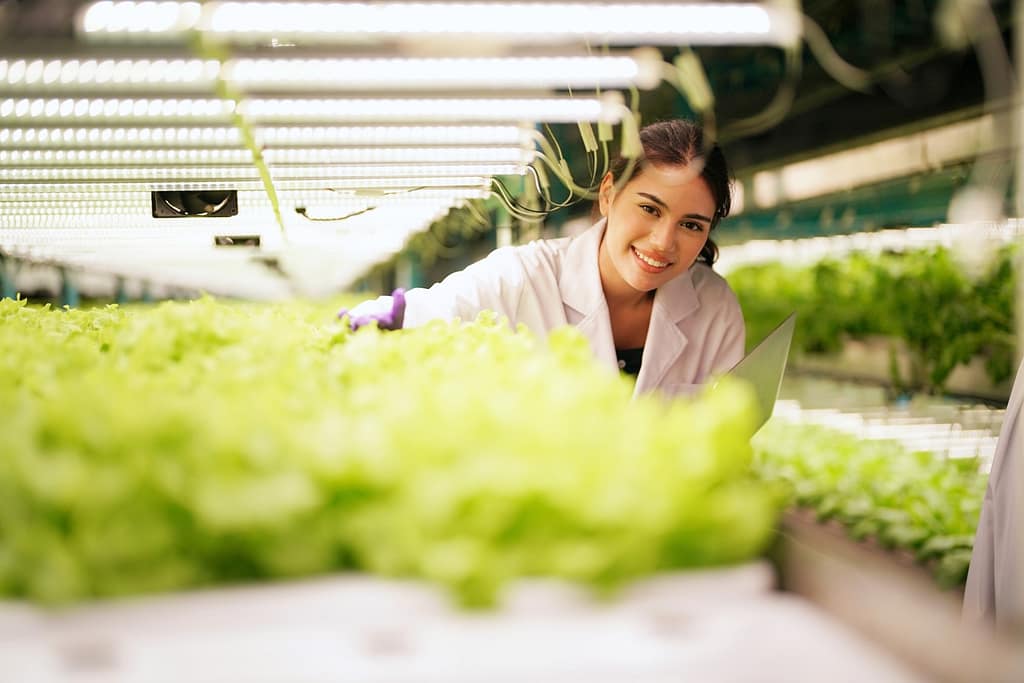
How to Start Aeroponic Farming: A Comprehensive Guide
Aeroponic farming is an innovative method of growing plants without soil or traditional growing mediums, where roots are suspended in the air and misted with nutrient-rich water. This farming technique offers several advantages, including faster growth rates, reduced water usage, and the ability to grow crops in confined spaces, making it an ideal solution for urban and vertical farming.

Why Vertical Farms Do Not Require Pesticides
Vertical farming, a revolutionary approach to agriculture, is transforming how we think about food production. One of the standout features of vertical farming is its ability to produce crops without the need for pesticides. This blog post will explain how vertical farms grow crops without pesticides, benefiting the environment and consumers.

What is Meant by Food Policy and Food Security?
Food is a fundamental human need, and ensuring access to nutritious and sustainable food sources is a critical challenge faced by communities and governments worldwide. At the heart of this challenge lies the intertwined concepts of food policy and food security, which work together to address the complex issues surrounding food systems.
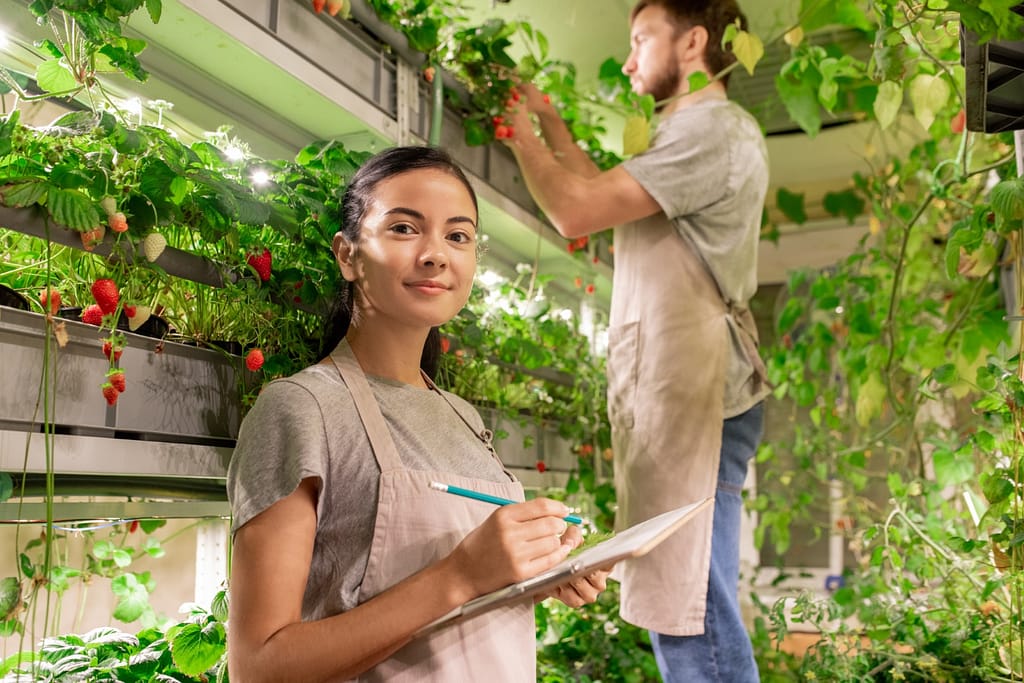
How to Start a Hydroponic Farm?
Hydroponic farming is a method of growing plants without soil, using mineral nutrient solutions in an aqueous solvent. This innovative approach to agriculture allows for controlled environments where crops can thrive, leading to higher yields and more efficient use of resources. Whether you’re a beginner or an experienced grower looking to expand your knowledge, this guide will walk you through the essential steps of starting a hydroponic farm.
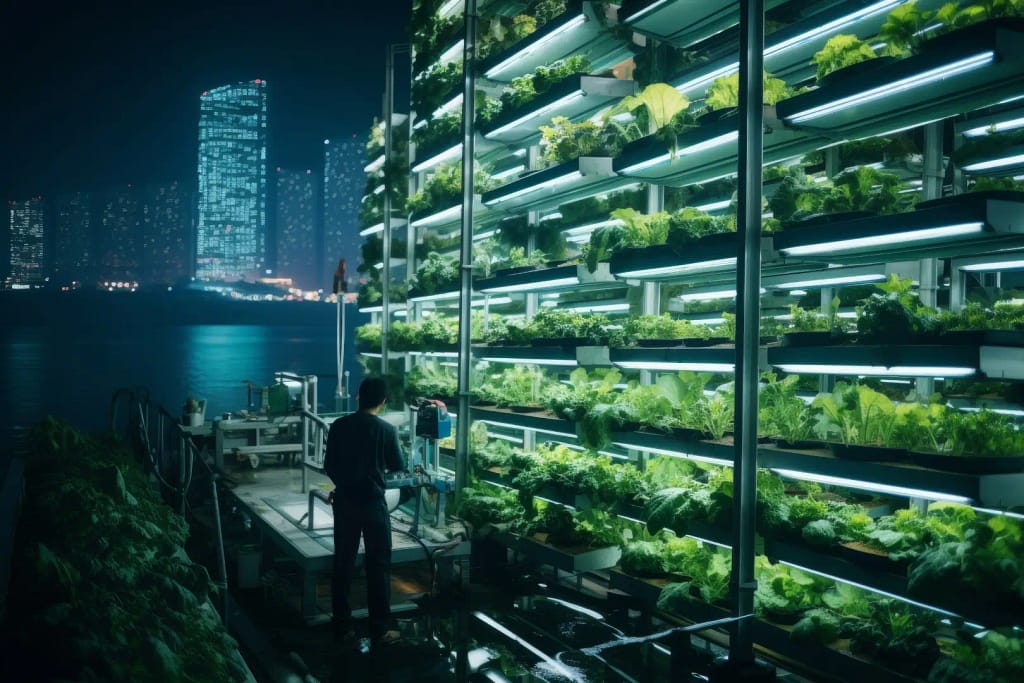
Is Vertical Farming the Future of Agriculture?
Agriculture is one of the most critical industries in the world, but it’s facing unprecedented challenges. Traditional farming methods are increasingly under pressure due to urbanization, climate change, and limited arable land. To feed a growing global population while minimizing environmental impact, innovation in agricultural methods is necessary. One of the most promising solutions is vertical farming, a technique that may very well define the future of agriculture.

Does Vertical Farming Actually Save Water?
One of the primary advantages of vertical farming is its potential to dramatically reduce water consumption. Traditional agriculture is a major consumer of freshwater, accounting for up to 70% of global water withdrawals. In contrast, vertical farming systems can achieve remarkable water-saving efficiencies.
Hydroponic and aquaponic systems, which are commonly used in vertical farming, recycle and reuse water, reducing water waste and the need for constant irrigation. These soil-less farming techniques can use up to 95% less water than conventional, soil-based agriculture. This is achieved through the precise control of water delivery, the elimination of water lost to evaporation or runoff, and the recycling of nutrient-rich water within the closed-loop system.